
Loading...
Serving Norwich, CT and surrounding areas. (959) 234-0488
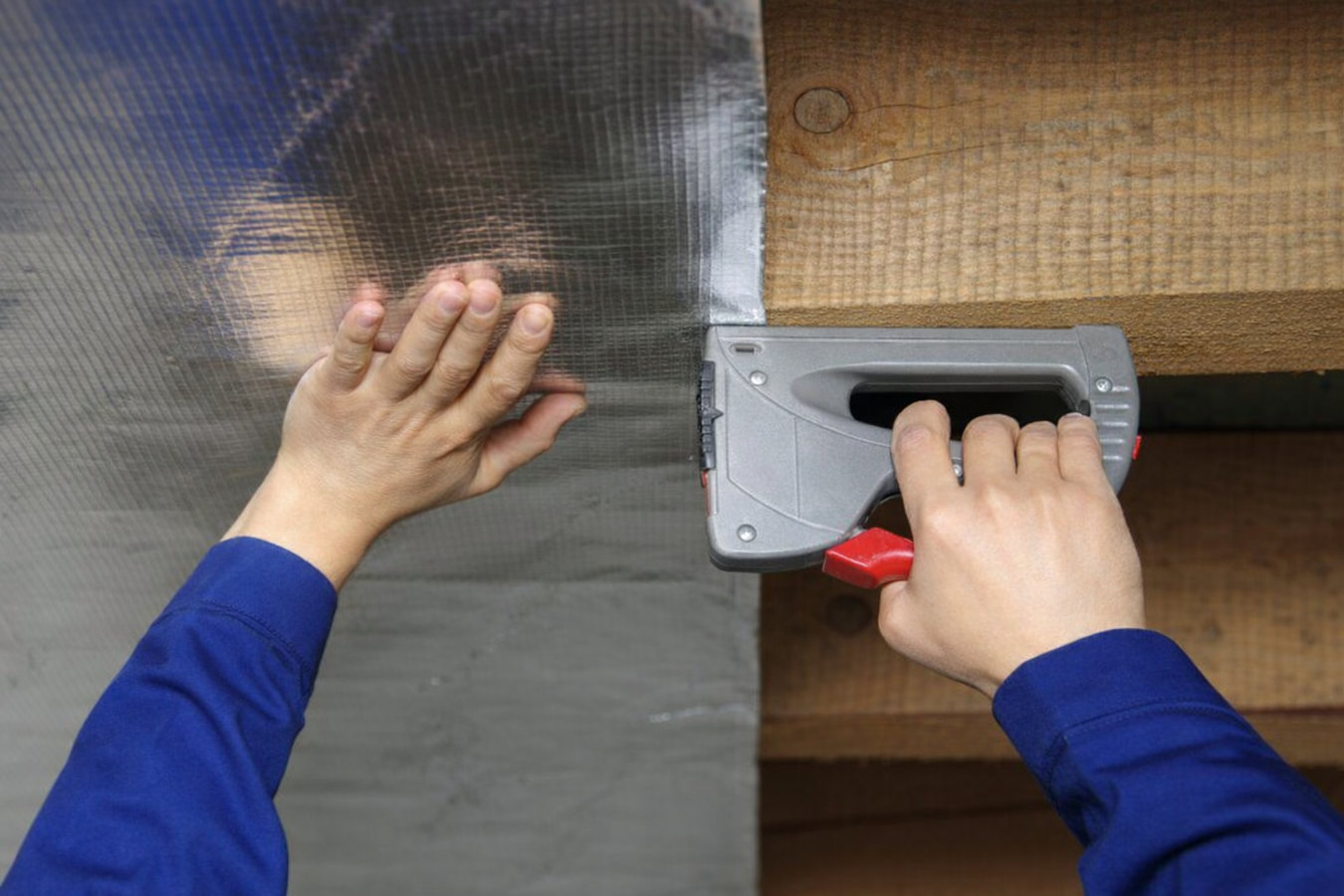
Norwich homeowners deal with persistent ground moisture every year - it damages floor framing, soaks insulation, and sends musty air into living spaces. Proper vapor barrier installation cuts the problem at the source.
Vapor barrier installation in Norwich, CT blocks ground moisture from rising into your crawl space and the floor structure above it - protecting wood framing, insulation, and indoor air quality - and most residential jobs are completed in one to two days depending on crawl space size and access.
Norwich has a significant number of homes built before the mid-1970s, many of which were constructed before vapor barriers were standard practice. If your home has never had this work done, there is a good chance your crawl space has bare soil that has been exposed to moisture for decades. That history shows up as musty smells, soft spots in floors, and insulation that has lost most of its effectiveness. Every wet season that passes without a barrier in place adds to the damage.
A vapor barrier is one part of a complete moisture control plan. If your home also needs help with air movement through the attic or upper structure, combining barrier installation with attic air sealing addresses moisture entry from both the bottom and top of the home, which is the most thorough approach for older Norwich houses.
If your home develops a damp, earthy odor every year around March or April - right when Norwich's snowmelt season kicks in - that smell is almost certainly coming from your crawl space. It means moisture is moving up through your floors and into your living space. This is one of the clearest signs that your crawl space needs attention, and it will continue every year without a barrier in place.
Walk slowly across your first floor and pay attention to any spots that feel softer than the rest or flex slightly underfoot. This can mean the wood subfloor or floor joists have absorbed enough moisture to begin weakening. In older Norwich homes, this kind of damage is more common than most homeowners realize - and it gets worse every year without a moisture barrier protecting the framing.
If you notice water droplets forming on basement windows, cold-water pipes, or the underside of floor joists, your home has more moisture in the air than it should. Ground moisture rising through an unprotected crawl space is a common cause. It is worth checking the crawl space with a flashlight if you are seeing this regularly, especially in spring and summer.
Norwich winters are long, and if your heating costs seem high relative to previous years or your home's size, moisture-soaked insulation in the crawl space could be part of the reason. Wet insulation loses most of its ability to hold heat, which means your furnace runs longer and costs more. A vapor barrier protects the insulation below your floors and helps it do its job through every heating season.
We install vapor barriers across the full crawl space floor with properly overlapped seams, sealed joints, and material that runs up the foundation walls and is fastened in place. These are the installation details that determine whether a barrier actually works - a barrier that only covers the floor but leaves the walls exposed still lets moisture in from the sides. For homeowners who want complete crawl space moisture control, we also install crawl space vapor barrier systems that include a full condition assessment and prep work before any material goes down.
Before installation, we inspect the crawl space for standing water, drainage problems, mold on framing, and the condition of any existing plastic. A proper assessment takes 30 to 60 minutes and changes the scope of the work - a crawl space with active drainage issues needs that resolved before a barrier goes in. We include the prep work in the written estimate so you know the full picture upfront. If your crawl space also has inadequate thermal insulation below the floor, we can pair vapor barrier installation with attic air sealing or other services to address the home's moisture and energy performance together.
Best for homes with bare soil crawl space floors and no existing moisture protection - the most common situation in Norwich's older housing stock.
Suited to crawl spaces where foundation walls are also a source of moisture entry, requiring barrier material on both the floor and walls for complete coverage.
The right approach when an existing barrier has failed - torn, shifted, or improperly installed - and is no longer providing meaningful protection against ground moisture.
Appropriate when the crawl space has accumulated debris, old damaged plastic, or other material that must be cleared before a clean, effective installation can happen.
Norwich sits in the Thames River watershed, where parts of the city - particularly lower-elevation neighborhoods near the waterfront Chelsea area and along the Shetucket and Yantic rivers - have a documented history of flooding and high groundwater. For homes in these areas, ground moisture is not an occasional concern but a consistent seasonal pressure that pushes upward every time it rains and every time the ground thaws. Contractors in the area know that spring snowmelt season, typically March through May, is when crawl space moisture problems become most visible - and when booking for installation fills up fastest. Getting work done before that season gives homeowners the most protection during the wettest months. Homeowners in New London and Waterford face the same Thames River watershed conditions and call us for vapor barrier work every year.
Ask any contractor doing crawl space work in your home for a free written estimate and recent local references before you hire. The U.S. Environmental Protection Agency identifies moisture control as one of the most effective strategies for improving indoor air quality - and in Norwich, where older homes have been accumulating moisture exposure for decades, the impact of a properly installed vapor barrier can be significant. The U.S. Department of Energy also notes that sealing crawl space moisture is one of the highest-impact weatherization steps for homes in colder climates.
When you reach out, we ask a few basic questions - the size of your home, whether you have a crawl space or basement, and whether you have noticed any specific problems like odors or soft floors. This helps us come prepared with the right materials. We respond to all inquiries within 1 business day and schedule an in-person visit from there.
We access your crawl space - usually through an exterior hatch or an interior door - and inspect the space with a flashlight. We are looking at the size of the area, the condition of the soil or any existing barrier, whether there is standing water or mold, and how accessible the space is. The visit takes 30 to 60 minutes. We walk you through what we found and give you a written estimate explaining exactly what is included.
Make sure the access point to your crawl space is clear and reachable. The crew handles all interior work - clearing debris, laying the barrier across the entire floor, overlapping and taping every seam, and running the material up the foundation walls. Depending on the size of your crawl space, this typically takes one full day. You can be home during the work - the crew will be in and out of the access point, but your living areas will not be disrupted.
When the job is done, we walk you through what was installed - including crawl space photos if you prefer not to go in yourself. We confirm that all seams are sealed and the barrier is secured to the walls. Going forward, a quick annual check with a flashlight - scanning for tears, lifted edges, or shifted sections - is all the maintenance most installations ever need.
Free written estimate, experienced local crew, response within 1 business day. Spring fills our calendar fast - call now to lock in your date.
(959) 234-0488A large share of Norwich homes were built before vapor barriers were standard practice, and many have crawl spaces with low clearance, irregular shapes, decades of accumulated debris, or thin plastic sheeting that has long since failed. These are not the same conditions as new construction - they require more care, more prep work, and more attention to seam overlap and wall termination. This is the kind of work we do every week in this city.
Whether your project requires a permit through the Norwich Building Department depends on its scope - and the rules matter. We know the current local requirements and handle the permit process when the project calls for it. Permitted work gets inspected by the city, which gives you independent confirmation the job was done to code - not just our word for it. We explain the permit situation upfront, before you commit to anything.
If your crawl space has drainage issues, standing water, or mold on framing, those problems need to be addressed before a vapor barrier goes in. A contractor who lays plastic over a drainage problem is hiding it - not solving it. We assess honestly and tell you exactly what prep work is needed first, with everything included in the written estimate so there are no surprises at the end of the job.
Homes in Norwich's lower-elevation neighborhoods near the Thames River and its tributaries sit closer to the water table and face more persistent ground moisture than homes on higher ground. We assess your specific site conditions before recommending a solution - so the installation is right for your property, not a one-size-fits-all approach that leaves gaps where your home is most vulnerable.
When vapor barrier installation is done correctly, the results are real - fresher indoor air, warmer first-floor rooms, and floor framing that is protected against the moisture that causes the most expensive repairs in older Norwich homes. The quality of the installation is what determines whether those results last.
Seal air leaks in the attic to address moisture and heat loss from the top of the home - a natural complement to vapor barrier work below.
Learn MoreFocused crawl space vapor barrier installation covering ground and perimeter coverage for homes dealing with persistent floor-level moisture.
Learn MoreSpring snowmelt season fills our calendar fast - lock in your date before the rush. Call or request a free estimate and we will get back to you within 1 business day.